Bougainvillea remains one of the most striking flowering climbers across Indian terraces, home gardens, and sunny balconies. Native to South America and naturally adapted across tropical zones, this vigorous woody vine thrives in the Indian subcontinent’s warm, sun-drenched climate.
Despite its hardy nature, many Indian gardeners struggle with a common dilemma: lush, thick foliage that refuses to produce blooms. Getting profuse floral displays requires tailoring daily maintenance to local seasonal patterns. This comprehensive guide breaks down bougainvillea plant care in India, providing actionable steps to stimulate continuous blooms and keep your plant vigorous throughout the year.
Understanding Bougainvillea Flowering Season in India
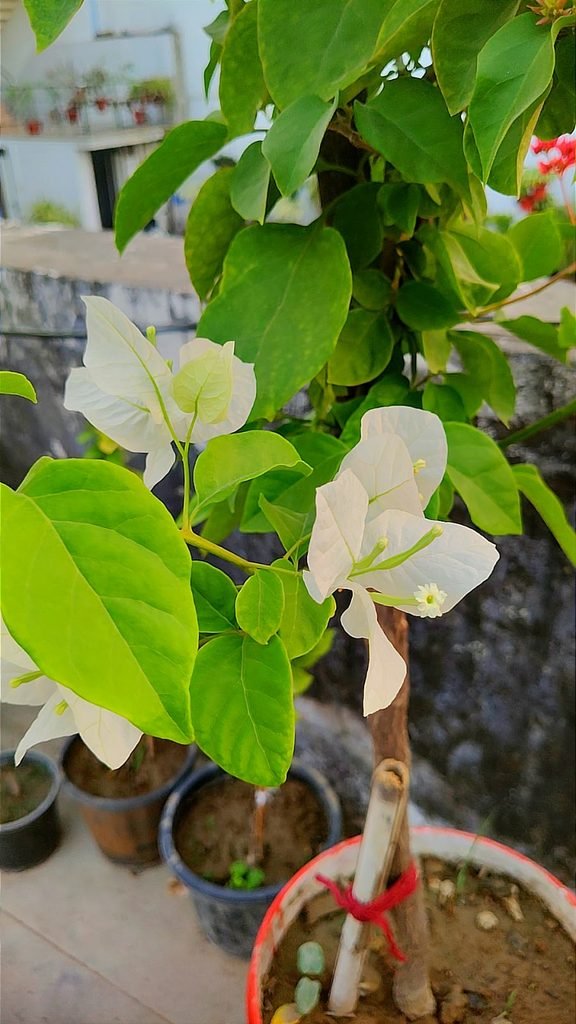
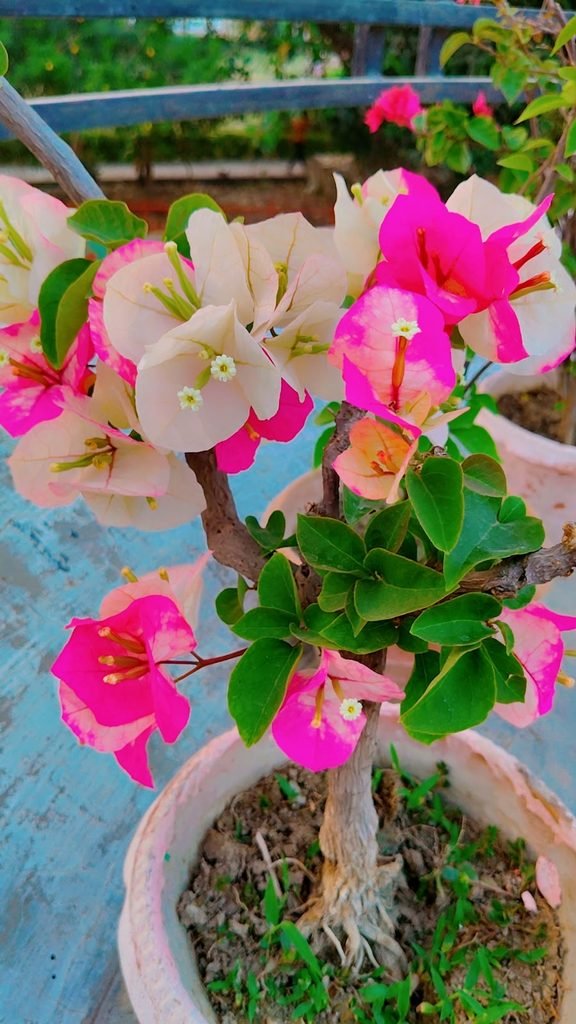
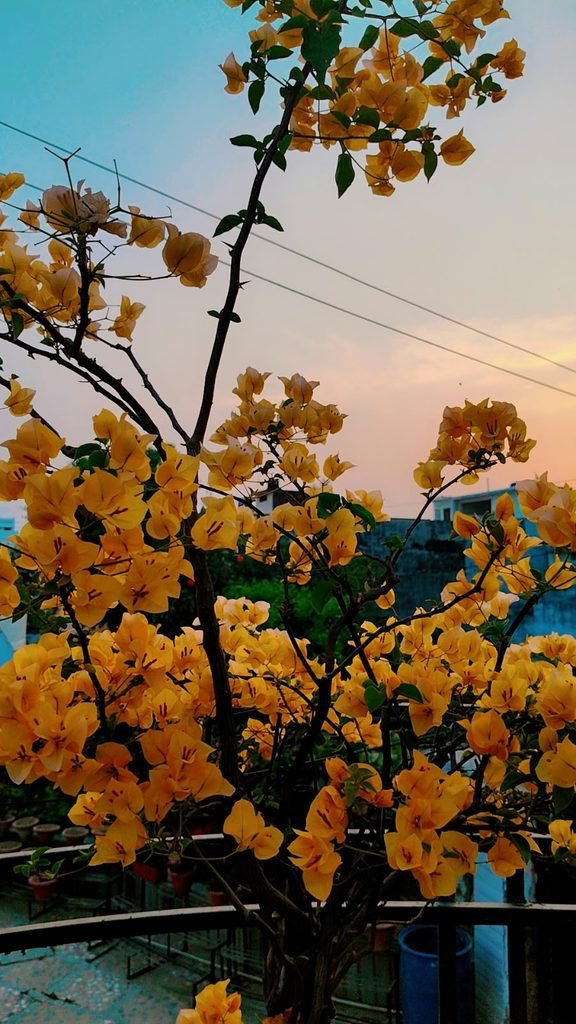
To master bougainvillea plant care in India, you must align your watering and feeding routines with the natural climate cycles of the subcontinent. The plant, scientifically classified under the botanical genus Bougainvillea, showcases brightly colored modified leaves called bracts rather than true petals.
In the Indian climate, bougainvillea exhibits distinct seasonal growth phases:
- Primary Spring Flush (February to May): As the winter chill recedes and daytime temperatures climb, bougainvilleas experience their most intense flowering cycle.
- Monsoon Vegetative Stage (June to August): Heavy tropical rains trigger massive leafy shoots and vegetative expansion . Flowering naturally slows down during this high-humidity period.
- Post-Monsoon Autumn Flush (September to November): Once heavy monsoon rains subside and soil dries, the plant initiates its second major wave of blooms.
- Winter Semi-Dormancy (December to January): In North and Central India, cool temperatures slow root activity. In South and Coastal India, blooming often continues uninterrupted due to steady warmth.
5 Essential Care Rules to Get More Flowers
Many gardeners pamper their vines with excess water and fertilizers, which leads to vegetative overgrowth rather than blossoms. Applying disciplined environmental stress is the secret behind how to get more flowers in bougainvillea.
1. Maximize Direct Sunlight
Bougainvilleas crave relentless heat. Your plant must receive at least 6 to 8 hours of unfiltered, direct sunlight daily. If placed in covered balconies or semi-shaded corners, stems turn thin, long, and flowerless.
2. Practice Controlled Water Stress
Overwatering represents the single biggest barrier to abundant flowering. Bougainvilleas bloom best when subjected to controlled dryness. Water thoroughly only after the top 2 to 3 inches of potting medium dry out completely. In late January and late August, allowing the foliage to wilt slightly before watering signals the plant to set flower buds.
3. Maintain a Gritty, Fast-Draining Potting Medium
Stagnant moisture suffocates the fine root system of bougainvilleas . Create a porous potting mix consisting of 40% garden loam, 30% coarse river sand or perlite, and 30% organic compost. Always use terracotta or unglazed clay pots with unrestricted drainage holes.
4. Encourage Slight Root-Bound Conditions
Unlike foliage plants that require periodic up-potting, bougainvilleas produce heavier flushes when their root system is moderately restricted within containers . Keep container-grown plants in 10- to 14-inch pots rather than shifting them into oversized planters.
5. Transition Between Indoor and Outdoor Care
Balcony gardeners often balance outdoor flowering vines with indoor shade plants. While your bougainvillea thrives under intense outdoor heat, delicate foliage varieties like the Spider Plant or low-light favorites like the Peace Lily require sheltered indoor spots with filtered light. Keeping your bougainvillea strictly in the brightest exterior zone ensures maximum coloration.
Bougainvillea Plant Care in India: Complete Seasonal Matrix
| Season & Months | Sunlight & Placement | Watering Strategy | Nutritional Input | Key Maintenance Step |
|---|---|---|---|---|
| Spring (Feb–May) | Full sun, 8+ hours | Moderate; soak when topsoil dries | High phosphorus and potassium boost urvann | Deadhead spent bract clusters |
| Monsoon (Jun–Aug) | Full outdoor exposure | Rely on rainfall; check drainage holes | None; suspend feeding to avoid root burn | Monitor for water stagnation |
| Post-Monsoon (Sep–Nov) | Full sun, open balcony | Controlled; allow mild wilting | Organic compost top dressing with bone meal | Structural pruning and shaping |
| Winter (Dec–Jan) | Maximum sun exposure | Minimal; keep soil on the drier side | Mild liquid seaweed monthly (mild climates) | Protect from severe frost in North India |
Best Fertilizer for Bougainvillea and Feeding Schedules
Bougainvillea vines do not require heavy nitrogen feeding. Excess nitrogen prompts rapid stem expansion and green leaves at the expense of vibrant bracts.
Understanding the best fertilizer for bougainvillea involves choosing organic sources rich in phosphorus, potassium, and micronutrients:
- Steamed Bone Meal or Rock Phosphate: Provides slow-release phosphorus to drive vigorous bud formation and strengthen roots. Add two tablespoons per 12-inch pot twice a year.
- Neem Cake Powder (Neem Khali): Supplies micro-nutrients while safeguarding the root system from soil nematodes and subterranean pests.
- Wood Ash or Banana Peel Tea: Delivers natural potassium that intensifies bract pigmentation and bloom retention.
- Composted Cow Manure or Vermicompost: Use sparingly as a top dressing in early spring and post-monsoon to sustain microbial health without delivering excess nitrogen.
Bougainvillea Pruning Tips for Bushy and Continuous Blooms
Because bougainvilleas initiate blossoms exclusively on fresh wood, disciplined trimming is vital. Applying proper bougainvillea pruning tips keeps the vine bushy and stimulates new flower-bearing shoots.
Follow this systematic pruning routine:
- Annual Hard Prune (October): Once monsoon rains finish, cut back leggy, unruly branches by one-third . Remove dead, diseased, and inward-crossing branches to let sunlight penetrate the core canopy .
- Post-Bloom Tip Pinching: After each blooming wave fades, snip off the spent flowering tips down to the nearest healthy leaf node . This pinching action prevents seed pod formation and redirects energy into fresh flowering stems .
- Water Shoot Removal: Prune long, thorn-heavy green shoots that grow rapidly without flower buds to maintain plant energy .
Troubleshooting Common Bougainvillea Problems
- No Flowers, Only Leaves: Caused by overwatering, insufficient direct sunlight, or high nitrogen fertilizers. Move the plant into open sunlight, restrict watering until leaves show slight wilt, and apply bone meal.
- Yellowing Leaves and Leaf Drop: Usually caused by root rot or poorly draining soil . Ensure drainage holes are unblocked and reduce watering frequency .
- Pest Invasions: Aphids, mealybugs, and leaf-eating caterpillars occasionally attack tender growth during spring. Spray organic cold-pressed neem oil (5 ml neem oil with 2 ml mild liquid soap per liter of water) during evening hours.
How often should I water my bougainvillea during Indian summers?
During peak summer heat (April to June), potted bougainvilleas generally need deep watering every 2 to 3 days once the soil surface dries out completely. Avoid daily shallow sprinkling.
Can I grow bougainvillea successfully in small apartment pots?
Yes, dwarf bougainvillea cultivars (such as ‘Mini Thai’ or ‘Pixie’) flourish in 10- to 12-inch pots on sunny balconies that receive at least 6 hours of direct sun.
Why are the flower bracts on my bougainvillea dropping prematurely?
Premature bract drop typically happens due to sudden environmental shifts, sudden overwatering while blooming, or moving the pot from full sun to a shaded spot. Keep growing conditions stable once buds set.