Indoor plants are a great way to bring freshness and greenery to your home, especially for beginners who want to start gardening in a simple way. However, many people buy plants and soon face problems like yellow leaves, slow growth, or plants dying unexpectedly. This usually happens because basic plant care requirements are not clearly understood.
The good news is that indoor plant care is not difficult. Once you understand a few simple rules about watering, light, soil, and placement, most indoor plants grow well and stay healthy. This complete guide will help beginners learn the basics of indoor plant care step by step.
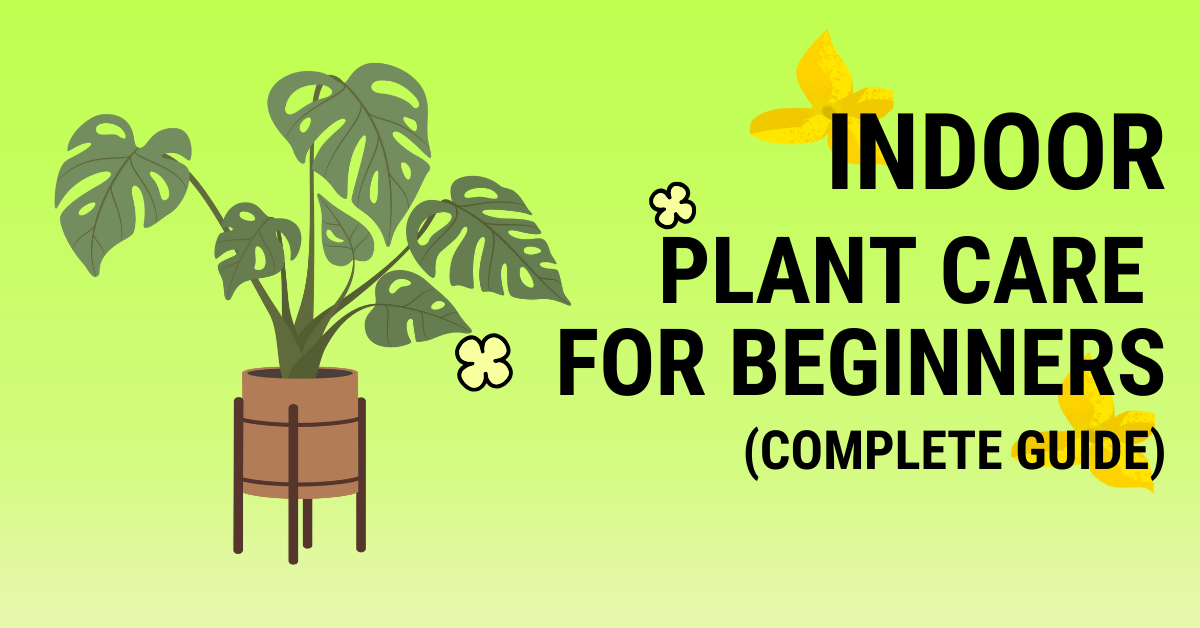
This is a complete beginner guide to indoor plant care. If you are new to houseplants, start here before reading other articles.
🌱 Why Indoor Plant Care Is Important
Indoor plants depend completely on us for their survival. Unlike outdoor plants, they do not receive natural rain, sunlight, or airflow freely.
Proper indoor plant care helps:
- Plants grow strong and healthy
- Leaves stay green and shiny
- Fewer pest and disease problems
- Longer plant life
When plants receive the right care, they reward you with steady growth and beauty.
Indoor plants not only improve air quality but also create a calm and refreshing indoor environment. Proper care helps plants grow strong, live longer, and stay disease-free.
💧 Watering Indoor Plants the Right Way
Watering is the most important part of indoor plant care.
Basic watering tips:
- Water only when the top 1–2 inches of soil feel dry
- Avoid watering on a fixed daily schedule
- Use room-temperature water
Overwatering is more harmful than underwatering. Too much water can cause root rot, while less water can usually be fixed easily.
☀️ Light Requirements for Indoor Plants
Light plays a major role in plant health.
Common light types:
- Bright indirect light: Near windows but not direct sun
- Low light: Corners or rooms with limited sunlight
Tips:
- Place plants near windows whenever possible
- Rotate plants weekly so all sides receive light
- Avoid sudden exposure to strong direct sunlight
Choosing the right plant for the available light makes care much easier.
🪴 Choosing the Right Soil and Pots
Soil and pots directly affect plant roots.
Soil tips:
- Use well-draining potting mix
- Avoid heavy garden soil for indoor plants
Pot tips:
- Always use pots with drainage holes
- Remove excess water from saucers
Healthy roots mean healthy plants, so never ignore drainage.
🌿 Common Beginner Mistakes to Avoid
Beginners often make small mistakes that affect plant health.
Avoid these mistakes:
- Watering too frequently
- Keeping plants in very dark areas
- Moving plants too often
- Ignoring drainage problems
Once these mistakes are avoided, indoor plant care becomes much easier.
🐛 Preventing Pests and Diseases
Indoor plants can sometimes attract pests.
Prevention tips:
- Clean leaves regularly with a soft cloth
- Avoid overwatering
- Keep plants dust-free
Healthy plants are naturally more resistant to pests and diseases.
🌼 Basic Indoor Plant Care Tips for Beginners
- Start with easy plants like snake plant or pothos
- Observe your plants regularly
- Make small changes instead of sudden ones
- Be patient — plants need time to adjust
Consistency is more important than perfection.
🌿 How Often Should Beginners Check Their Plants?
Beginners should observe their indoor plants regularly instead of following strict rules. Checking plants every 2–3 days helps you notice early signs of problems like yellow leaves, dry soil, or pests. Early observation prevents major damage and keeps plants healthy.
Touch the soil before watering, look at leaf color, and ensure the plant is receiving proper light. Most plant problems happen not because of lack of care, but because issues go unnoticed. A simple routine of observing your plants helps you understand their needs naturally.
Indoor plant care becomes easier with time. The more you observe, the more confident you become in understanding watering needs, light levels, and growth patterns.
Understanding watering is crucial. You can read more in our guide on how often you should water indoor plants.
🌿 Conclusion
Indoor plant care for beginners does not need to be complicated. By understanding basic needs like water, light, soil, and placement, anyone can successfully grow indoor plants at home. Most problems occur due to overwatering or poor light, which are easy to fix once noticed early.
With regular observation and simple care routines, indoor plants can stay healthy and add beauty and freshness to your living space for years to come.