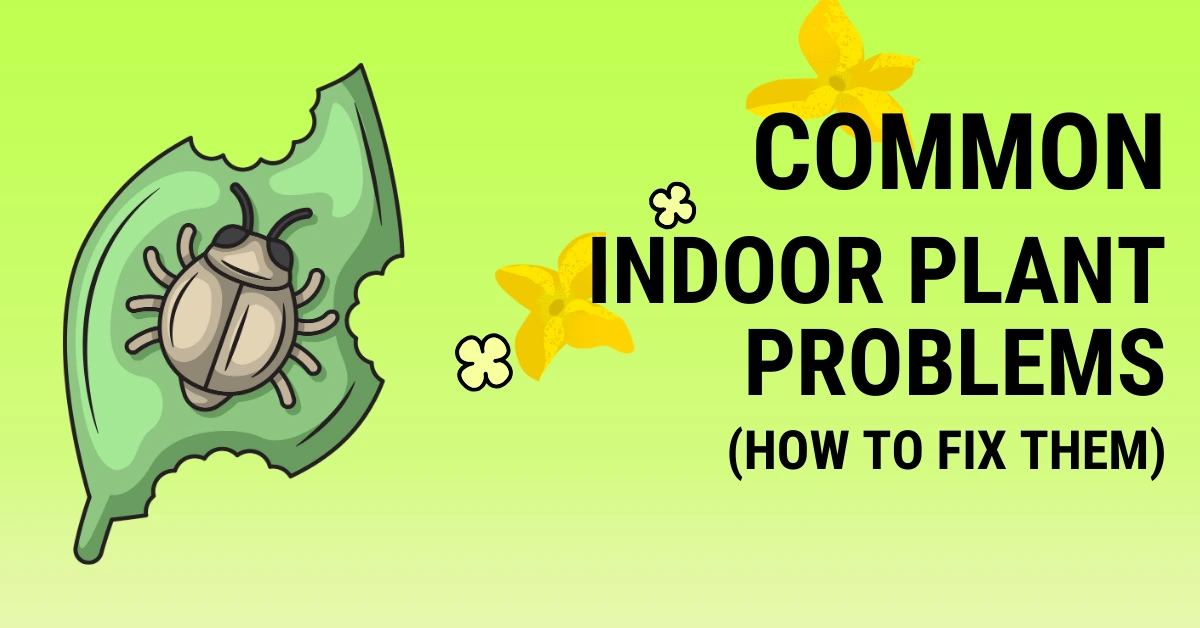
Indoor plants bring freshness and beauty to our homes, but many beginners face problems while taking care of them. Sometimes leaves turn yellow, plants stop growing, or insects start appearing. These issues can be frustrating, especially when you are doing your best to care for your plants.
The good news is that most indoor plant problems are very common and easy to fix. With a little observation and small changes in care routine, plants can recover quickly. In this article, we will discuss the most common indoor plant problems and simple solutions that work well for Indian homes.
💧 Overwatering Problems
Overwatering is the most common indoor plant problem.
Signs of overwatering:
- Yellow or soft leaves
- Soil always wet
- Bad smell from soil
- Roots may start rotting
How to fix it:
- Water only when the top 1–2 inches of soil feel dry
- Make sure the pot has drainage holes
- Empty excess water from the tray
Reducing watering frequency often solves this problem quickly.
🍂 Yellow Leaves on Indoor Plants
Yellow leaves are a common sign that something is wrong with plant care.
Possible causes:
- Too much or too little water
- Lack of sunlight
- Nutrient deficiency
What to do:
- Check watering routine
- Move plant to a brighter spot with indirect light
- Remove completely yellow leaves
Once the cause is fixed, new healthy leaves usually grow.
yellow leaves on indoor plants
🌿 Nutrient Deficiency Problems
Sometimes indoor plant leaves turn yellow because the soil lacks essential nutrients. Plants kept in the same soil for a long time may not receive enough nitrogen, iron, or magnesium. This problem is common in potted indoor plants where nutrients get washed away during watering.
how often to water indoor plants
How to fix it:
- Use a mild organic fertilizer once a month
- Avoid over-fertilizing, as it can damage roots
- Repot plants every 1–2 years to refresh the soil
Proper nutrition helps plants maintain healthy green leaves and steady growth.
☀️ Lack of Sunlight
Indoor plants need light to stay healthy.
Signs of low light:
- Slow or no growth
- Pale or yellow leaves
- Weak stems
Easy solution:
- Place plants near windows
- Provide indirect sunlight for a few hours daily
- Rotate plants every few days
Even low-light plants need some light to survive.
🐛 Pest Problems in Indoor Plants
Indoor plants can attract pests like aphids, spider mites, and mealybugs.
Common signs:
- Sticky leaves
- Tiny insects on leaves
- Holes or damaged leaves
How to control pests:
- Clean leaves with a damp cloth
- Spray neem oil once a week
- Isolate infected plants
Regular inspection helps prevent serious pest issues.
🪴 Poor Drainage Issues
Poor drainage can damage plant roots.
Why drainage matters:
- Roots need air as well as water
- Waterlogged soil causes root rot
How to improve drainage:
- Use pots with drainage holes
- Choose well-draining potting mix
- Avoid heavy garden soil
Good drainage keeps roots healthy and strong.
❓ Frequently Asked Questions (FAQ)
Why do indoor plants die suddenly?
Indoor plants usually die due to overwatering, poor drainage, or lack of light. Regular care and observation can prevent sudden plant death.
How often should indoor plants be watered?
Water indoor plants only when the soil surface feels dry. Watering needs depend on plant type, season, and indoor temperature.
Can indoor plants recover after problems?
Yes, most indoor plants recover once the problem is identified and fixed early.
Do indoor plants need fertilizer regularly?
Indoor plants do not need frequent fertilizing. During active growth seasons, light feeding once a month is usually enough. In winter, most indoor plants require little to no fertilizer.
🌼 Conclusion
Indoor plant problems are common, especially for beginners, but they are rarely permanent. By understanding basic issues like overwatering, low light, pests, and drainage problems, you can easily keep your plants healthy. Small adjustments in watering, light, and soil make a big difference.
With patience and proper care, indoor plants grow well and continue to add beauty and freshness to your home. Early detection is the key to saving indoor plants. Regular checking of leaves, soil, and roots helps prevent major plant problems.