One of the most common questions beginners ask is how often should you water indoor plants. Many people either water their plants too frequently or forget to water them for long periods. Both mistakes can harm plant health and slow down growth.
Watering indoor plants is not about following a fixed schedule. It depends on several factors such as plant type, season, pot size, and indoor environment. In this beginner-friendly guide, we will explain how often to water indoor plants and how to identify when your plant actually needs water.
💧 Why Proper Watering Is Important
Water plays a key role in plant health. It helps transport nutrients from the soil to different parts of the plant and supports photosynthesis.
Improper watering can lead to:
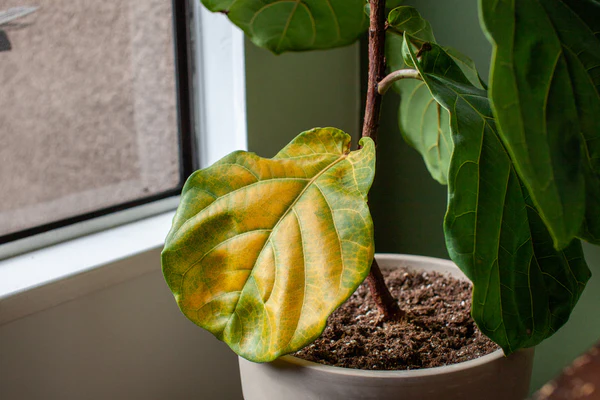
- Yellow leaves
- Root rot
- Slow growth
- Wilting plants
Learning the right watering routine helps indoor plants stay healthy for a long time.
“Improper watering often leads to Root Rot on Wikipedia, which can be fatal for plants.
🕒 How often should you water indoor plants?
There is no single rule that works for all plants. However, most indoor plants should be watered only when the top 1–2 inches of soil feel dry.
General guideline:
- Check soil moisture before watering
- Water deeply, not frequently
- Allow excess water to drain out
Instead of watering daily, focus on observing the soil condition.
🌿 How to Check if Your Plant Needs Water
Instead of watering on fixed days, always check the soil. Insert your finger 1–2 inches deep into the soil. If it feels dry, it’s time to water. If it still feels moist, wait a day or two.
You can also look at the plant leaves. Drooping leaves, dry soil pulling away from pot edges, and slow growth are signs your plant needs water.
🪴 Factors That Affect Watering Frequency
- Pot size (small pots dry faster)
- Season (plants need less water in winter)
- Light exposure
- Plant type (succulents need less, leafy plants need more)
🚫 Common Watering Mistakes
- Watering daily without checking soil
- Using pots without drainage holes
- Leaving water in tray
Factors Determining How Often Should You Water Indoor Plants
Understanding how often should you water indoor plants is not as simple as following a calendar. The frequency depends on several environmental factors unique to your home. In India, for instance, the intense summer heat significantly changes how often should you water indoor plants compared to the humid monsoon months.
Additionally, the light exposure in your room plays a major role. A plant kept in a bright south-facing window will need more frequent hydration. If you are a beginner struggling to decide how often should you water indoor plants, always remember that the pot’s drainage and soil quality are your best indicators. By observing these signs daily, you will naturally master the art of knowing exactly how often should you water indoor plants without causing root rot or dehydration.
How Pot Material Affects Watering
Many beginners overlook the importance of the pot material.
- Terracotta/Clay Pots: These are porous and “breathe,” meaning water evaporates faster. You might need to water more frequently.
- Plastic or Ceramic Pots: These hold moisture for a longer duration. If you use these, you must be extra careful about overwatering to prevent root rot.
- Drainage Holes: No matter the material, ensure your pot has at least one drainage hole at the bottom. Without it, water sits at the base, leading to bacterial growth.
The Seasonal Watering Guide: Summer vs. Winter in India
In the diverse Indian climate, a fixed schedule never works. During Summers (March to June), the high evaporation rate means you may need to water your plants every 2-3 days. However, during Monsoons, humidity is high, and soil stays moist longer. In Winters, plants enter dormancy, and watering should be reduced to once in 10-14 days.
| Plant Type | Watering Frequency (Summer) | Watering Frequency (Winter) |
| Succulents/Cactus | Once a week | Once a month |
| Tropical (Pothos/Monstera) | Every 2-3 days | Once a week |
| Snake Plant/ZZ | Every 10 days | Every 20-25 days |
🌦️ Factors That Affect Watering Frequency – How often should you water indoor plants
🌿 Plant Type
Different plants have different water needs. Succulents need less water, while leafy plants usually need more frequent watering.
🪴 Pot Size and Material
Small pots dry faster than large pots. Clay pots lose moisture faster than plastic ones.
☀️ Season and Weather
- Summer: Plants need more frequent watering
- Winter: Watering should be reduced
🏠 Indoor Environment
Air conditioners and heaters can dry soil faster, increasing watering needs.
🚱 Signs of Overwatering – How often should you water indoor plants
Overwatering is more dangerous than underwatering.
Common signs include – (how often should you water indoor plants):
- Yellow or soft leaves
- Foul smell from soil
- Mushy roots
If you notice these signs, reduce watering immediately.
💦 Signs of Underwatering – How often should you water indoor plants
Underwatered plants also show clear signs.
Look for:
- Dry, crispy leaves
- Drooping stems
- Very dry soil
Underwatered plants usually recover once watered properly.
Observing your plant regularly is the best way to understand its watering needs. Different plants and seasons require different watering routines.
❌ Common Watering Mistakes Beginners Make
- Watering on a fixed schedule
- Not checking soil moisture
- Using pots without drainage holes
- Watering late at night
Avoiding these mistakes improves plant health significantly.
❓ Frequently Asked Questions (FAQ) – how often should you water indoor plants
How do I know if my indoor plant needs water?
Check the soil with your finger. If the top soil feels dry, it’s time to water.
Can I water indoor plants every day?
Most indoor plants do not need daily watering. Overwatering can damage roots.
🌼 Conclusion – how often should you water indoor plants
Watering indoor plants correctly is about observation, not routine. By checking soil moisture, understanding plant needs, and adjusting watering based on season and environment, beginners can easily keep their indoor plants healthy.
With time and practice, watering indoor plants becomes simple and stress-free.