Winter in India can be tricky for indoor plants, especially in North India where temperatures drop significantly. If you want to master Indoor Plant Care in Winter India, you need to understand how temperature affects tropical plants. While most plants go into a dormant state, a few simple adjustments in your routine can keep them healthy. In this guide, I will share my personal experience and practical tips tailored specifically for the Indian climate to ensure your green friends survive the cold months.
| Care Factor | Winter Adjustment (India) | Frequency |
| Watering | Only when top 2-3 inches of soil is dry | Every 10-14 days |
| Sunlight | Move closer to South-facing windows | 4-6 hours of indirect light |
| Fertilizer | Stop completely in Dec & Jan | None |
| Cleaning | Wipe leaves with a damp cloth | Once a week |
1. Mastering the Winter Watering Schedule – Indoor Plant Care in Winter India
Overwatering is the #1 killer of Indoor Plant Care in Winter India. Since the evaporation rate is low and plants are not actively growing, their water requirement drops by 50-70%.
The Finger Test: Before watering, stick your finger two inches into the soil. If it feels moist, wait for another 2-3 days. Always use room-temperature water; using very cold water can shock the tropical roots of plants like Monstera or Pothos.
Before the winter season begins, ensure your plants are in the right potting mix. You can check my detailed guide on the Best Soil for Indoor Plants in India to prepare your pots.
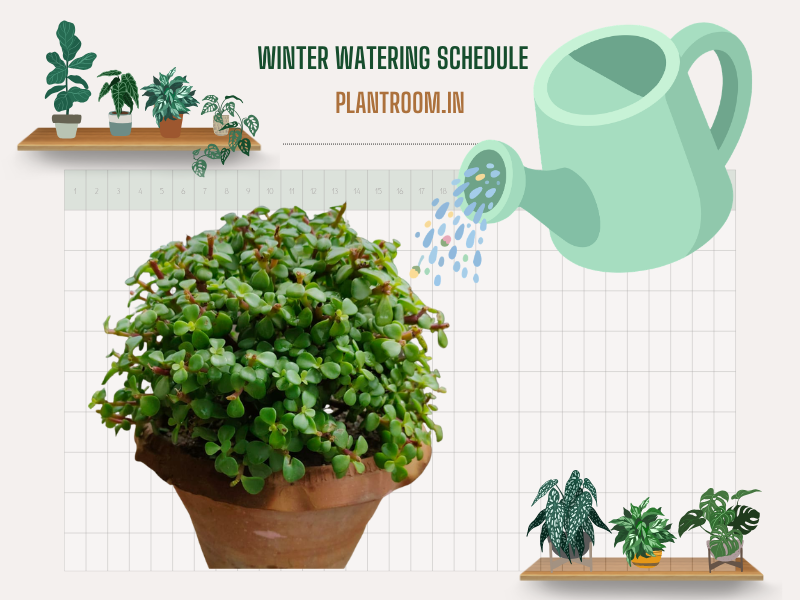
Remember, the right soil dries differently in each season. Learn how to adjust your watering in the cold season here – Indoor Plant Care in Winter India.
2. Optimizing Light Conditions – Indoor Plant Care in Winter India
In cities like Delhi or Bangalore, winter mornings can be foggy, reducing the intensity of light. Since light is the primary food source for plants, you must move your pots to the brightest spot in your home. A South-facing balcony or window is ideal during these months. If you notice your plants leaning toward the window, rotate the pot every few days for even growth.
3. Managing Humidity and Temperature Shifts – Indoor Plant Care in Winter India
Most indoor plants are tropical by nature and thrive in high humidity. However, Indian winters—especially in the North—bring dry air that can cause brown leaf tips. Additionally, using room heaters can further dry out the air.
Personal Tip: To maintain humidity without overwatering, use a pebble tray. Fill a tray with pebbles and water, and place your pot on top (ensuring the pot doesn’t touch the water). As the water evaporates, it creates a humid micro-climate around the plant. Avoid placing plants directly in front of heaters or AC vents.
4. Why You Must Stop Fertilizing - Indoor Plant Care in Winter India
One of the biggest mistakes beginners make is fertilizing their plants in December or January. In India, most indoor plants enter a period of dormancy during peak winter. This is a natural “hibernation” where the plant rests and conserves energy.
Since the plant isn’t producing new leaves, it cannot process the nutrients from the fertilizer. This can lead to salt buildup in the soil, which eventually burns the roots. Save your fertilizers for the spring (February-March) when you see the first sign of new growth.
Most tropical plants enter a natural state of rest. To understand the science behind this, you can read more about Plant Dormancy on Wikipedia.
5. Pest Control and Cleaning Leaves – Indoor Plant Care in Winter India
Dust accumulates faster in winter, and a thick layer of dust on leaves can block whatever little sunlight the plant gets.
- Cleaning: Gently wipe the leaves of your Snake plants, Rubber plants, and Monsteras with a soft, damp microfiber cloth once a week.
- Pests: Keep a close eye on Mealybugs and Spider mites, which love dry winter air. If you spot any, spray a diluted Neem Oil solution. I personally prefer doing this on a sunny afternoon so the leaves can dry quickly.
6. Best Low-Maintenance Indoor Plant Care in Winter India
If you are a beginner, focus on these hardy plants that can survive the Indian cold with minimal care:
- Snake Plant (Sansevieria): Requires almost zero water in winter.
- ZZ Plant: Extremely drought-tolerant.
- Spider Plant: Can handle the dry indoor air well.
- Aloe Vera: Just make sure it gets some bright light.
7. Common Problems & Solutions (Troubleshooting)
| Problem | Cause | Quick Fix |
| Yellow Leaves | Overwatering | Stop watering until soil dries. |
| Drooping Leaves | Cold Drafts | Move plant away from windows at night. |
| Crispy Brown Edges | Low Humidity | Mist the plants or use a pebble tray. |
Indoor Plant Care in Winter India – Conclusion
Caring for plants in the Indian winter is all about patience. By reducing water, maximizing light, and avoiding fertilizers, you can ensure your indoor garden remains vibrant until spring. Remember, every home is different, so keep observing your plants and adjust your routine accordingly.
Q: Can I repot my plants in winter?
A: No, it is best to avoid repotting during winter in India as plants are dormant and their roots may not recover from the shock.
Q: How do I know if my plant is dormant?
A: If your plant has stopped producing new leaves despite being healthy, it is likely in its natural winter dormancy.
Q: Should I mist my plants in winter?
A: Yes, misting helps increase humidity, but do it in the morning so the water evaporates before the night temperature drops.